Why Get Outside?

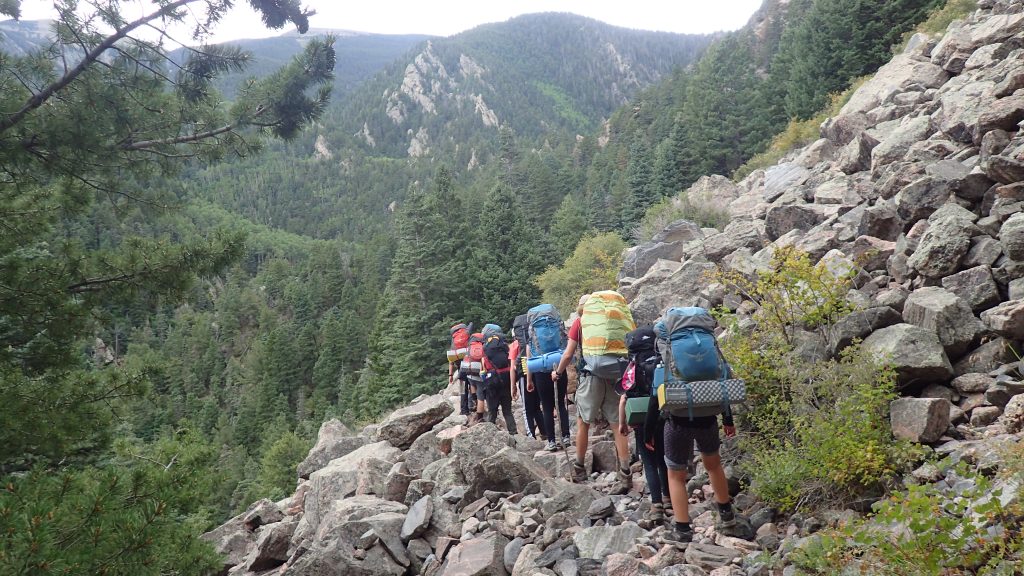
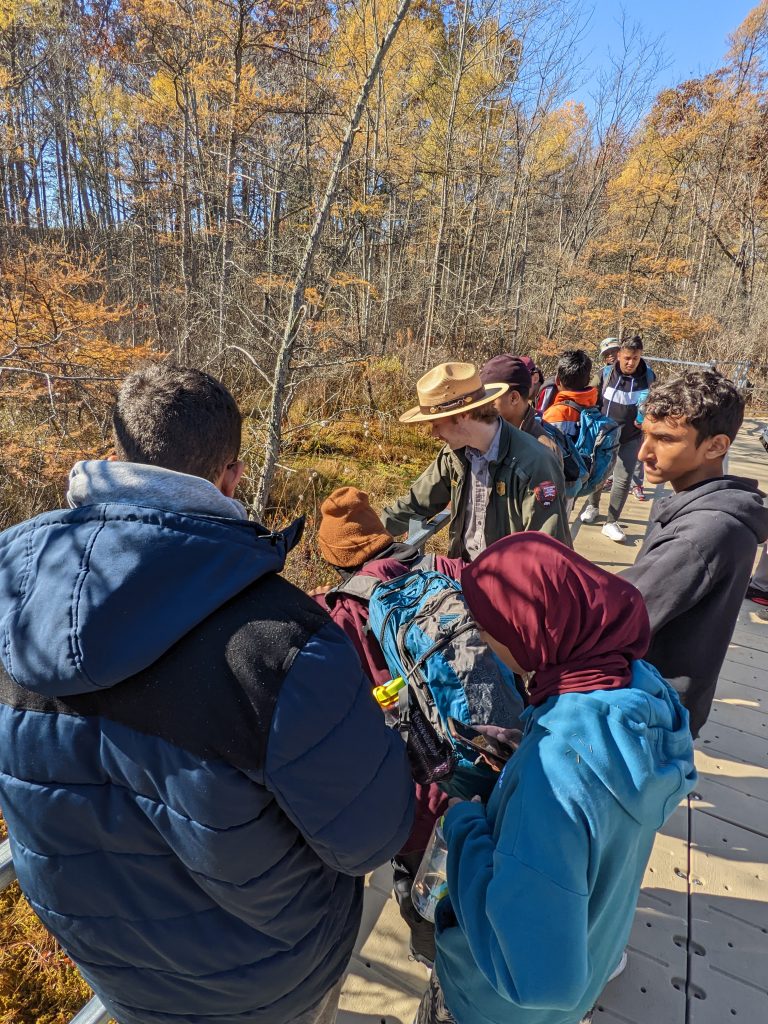
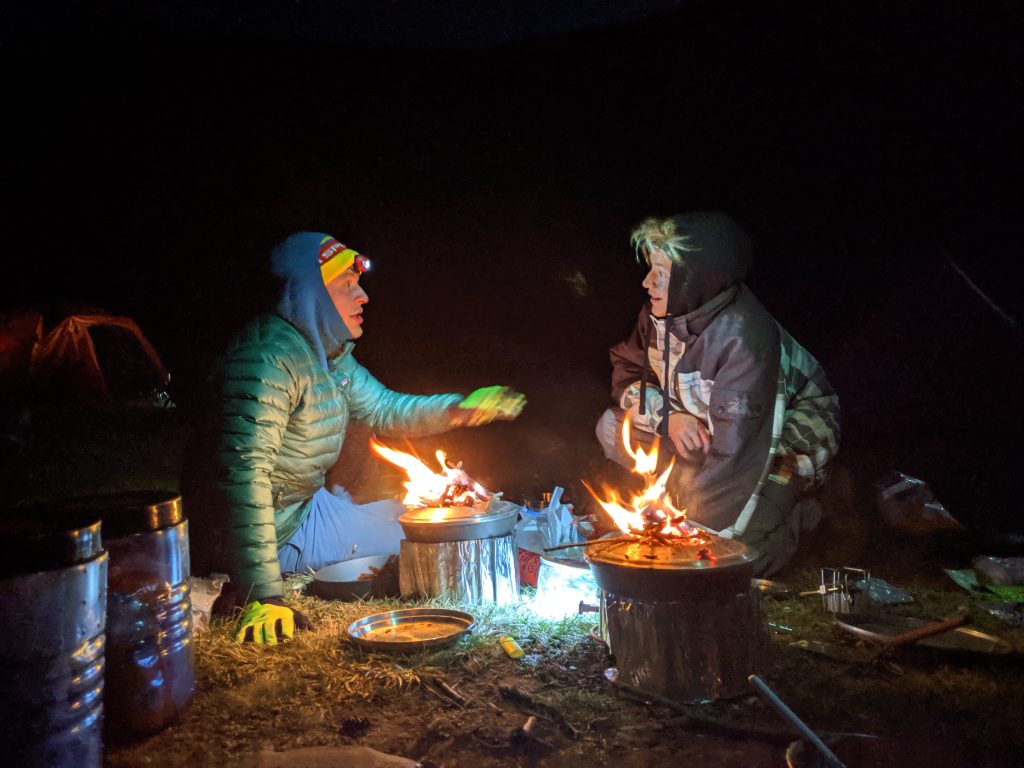
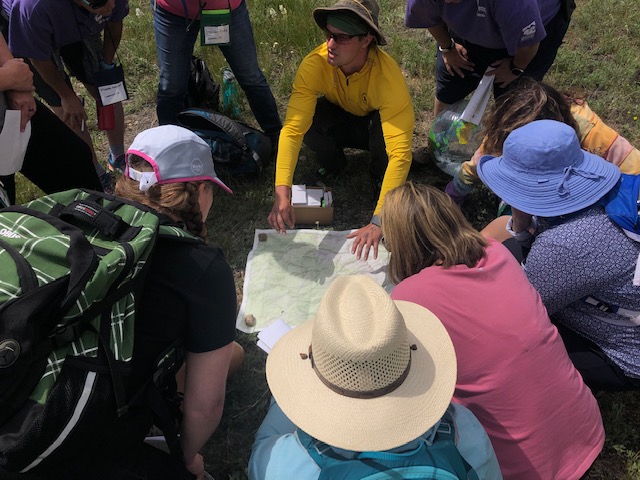
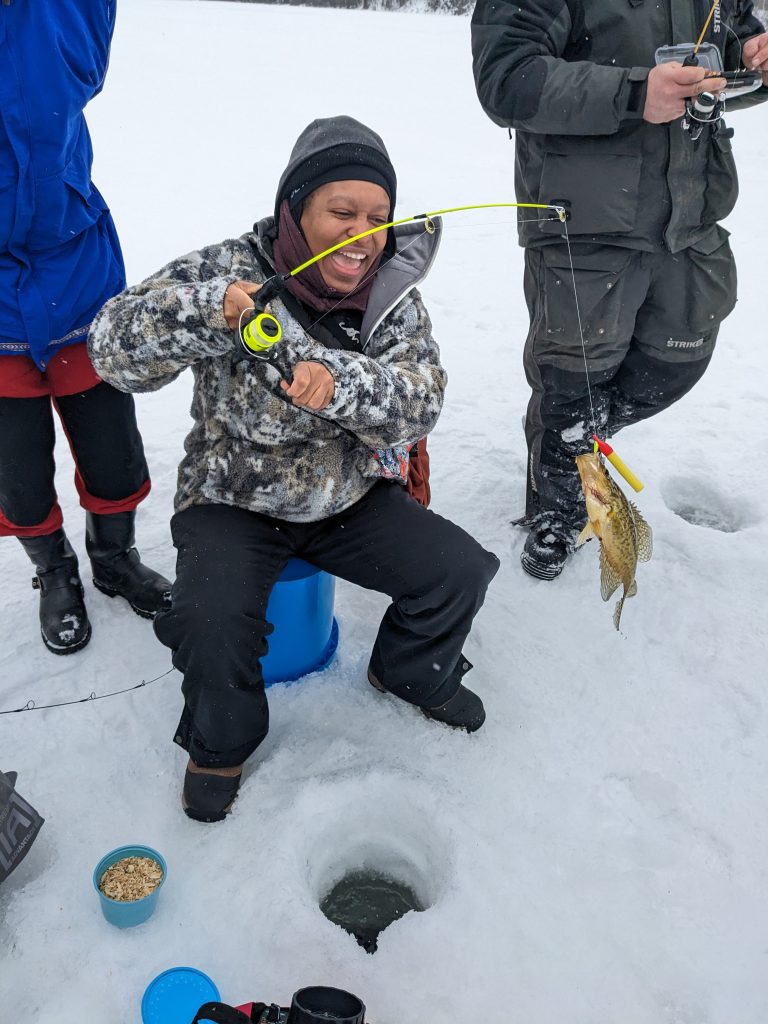
Getting outside is one of the most powerful interventions we can make in a young person’s life. 

The research has been consistent across decades: outdoor experiences improve physical health, mental health, academic outcomes, and long-term wellbeing. So why don’t we do it more?


The research is clear

Study after study matches the self-reported reality: time outside is incredibly effective. Critically, we see the effects of time outside address root causes of inequality. Time outside is impactful for everyone, but it is particularly impactful for communities that face the most adversity. 

Just review some of the studies below. You will see that outdoor access is fundamentally a question of justice. 

So is the solution

Traditional pathways to the outdoors – summer camps, the scouts, parents who go camping – are all in decline. Those programs also were not designed to serve a more diverse 21st century American audience.

We want to change that. So we are building a new model for going outside. 

Traditional Programs

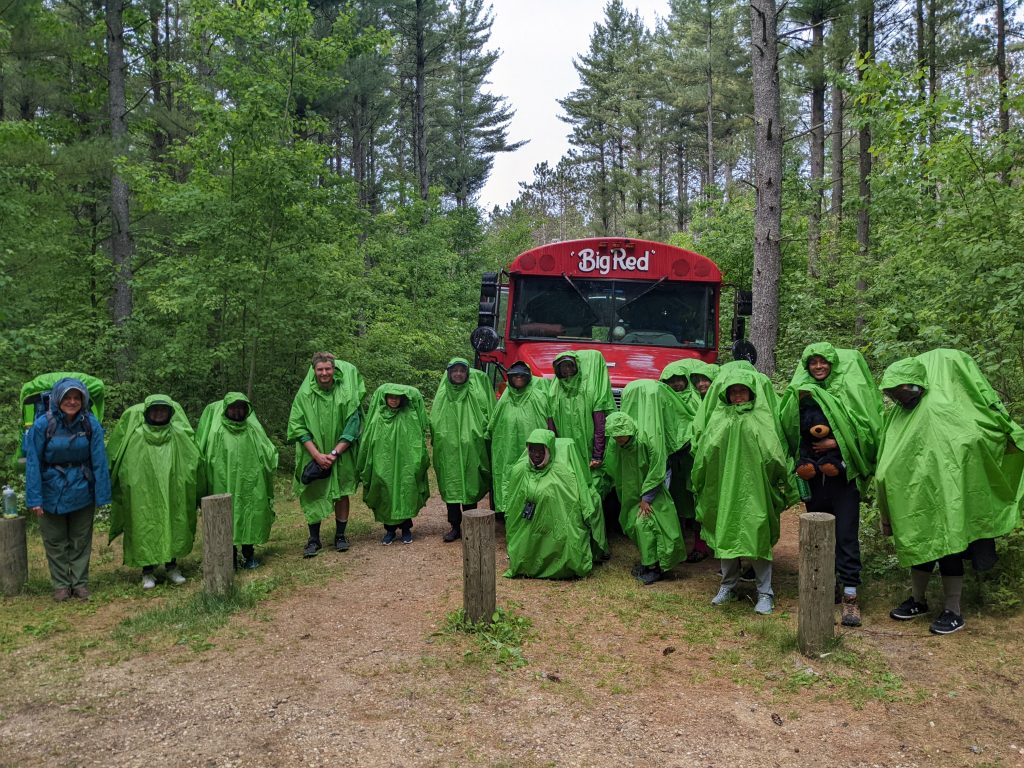
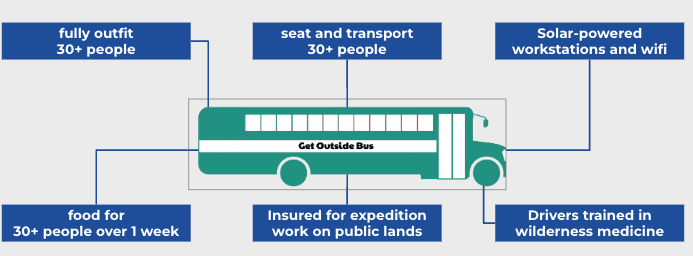
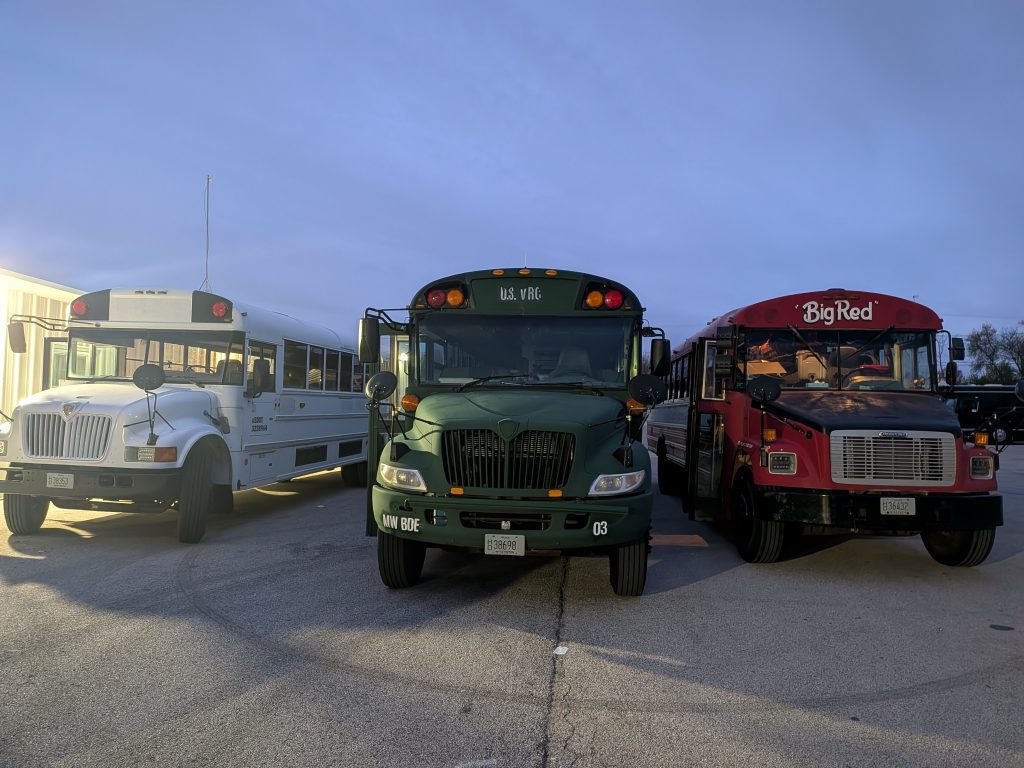
A Get Outside Bus

Get Outside Bus Works

We have had significant impact, and our model is able to get more people outside using significantly fewer resources. There is virtually no better way to invest in young people. 

We measure our work based on two major criteria: 

Accessibility

Inequity has shaped who does and does not get to spend time outside. Today, that manifests across lines of race, class, and gender. 

What we do about it: 

  • Cuisine that reflects the cultures we serve, not just hot dogs and s’mores.
  • Adaptive support. First-time teachers get more; veteran guides get gear and a ride.
  • Leaders tell us how to handle schedules, discipline, and food authentically.
  •  

Proof it works: 

Over 90% of our participants come from identities historically underrepresented outside. 

We have provided inclusive leadership training to over 60+ community leaders, serving dozens of organizations nationally. 

In any given 3-year period, over 82% of our partners return, and most run the same or more programs than they did before. 

Affordability

Typical summer camps run over $150 per person per night at the low end. We took an organizational and process design lens, and our average program runs 30 to 50 percent less.

What we do about it: 

  • Hyper-efficient systems. We invest upfront to save time each trip.
  • Targeted costs. Safer vehicles mean lower insurance.
  • No buildings, no facilities overhead. We operate mobile.

Proof it works: 

Over four years, our average per-person per-day cost was $93.02. The national average is well over $150. 

Other leading organizations in the space have budgets equivalent to $1,000+ per field day. Ours is $145. 

  • We achieve this while providing more services (transportation, full outfitting, customization) than comparable programs. 

By the Numbers

Program Hours
0
Program Days
0
People Served
0
Partner Programs
0

References

1 | UNH Outdoor Orientation Program Symposium Annual Study Database

2| Puhakka, R., (2024). Effects of outdoor adventures on emerging adults’ well-being and connection with nature. Journal of Adventure Education and Outdoor Learning, 24(4), 719-734.

3 | Davidson, C., Ewert, A., (2024). Exploring mental health outcome variables in outdoor adventure and experiential education. Journal of Experiential Education, 47(2), 185–190.

4 | Beyond Toxicity: Human Health and Natural Environment, American Journal of Preventive Medicine

5 | Twohig-Bennett C, Jones A. The health benefits of the great outdoors: A systematic review and meta-analysis of greenspace exposure and health outcomes. 

6 | Mitchell R., Popham F. Effect of exposure to natural environment on health inequalities: an observational population study.  

7 | Frontiers in Psychology. 2017: Do Lessons in Nature Boost Subsequent Class Engagement?

8 | American Institutes for Research: Impacts of Outdoor Education Programs

9 | Collins, M. A., Romero, V. F., Young, A., Dorph, R., Foreman, J., Strang, C., Pande, A., Laina, V., (2025). The value of outdoor environmental education programs for girls and youth of color: cultivating positive dispositions toward science and the environment. Environmental Education Research